Ease of doing business: Are we ready?

The Philippines has made some improvements in its “ease of doing business” performance, but continues to lag behind most of its Asean neighbors, according to the latest World Bank Business Ready (B-Ready) report. While the World Bank covers 101 economies in 2025, up from 50 in 2024, the Philippines has largely maintained its relative position. We remain in the top 25 percent in terms of regulatory framework, around the midpoint in quality of public services, but in the bottom 20 percent in government efficiency.

Published on January 29, 2026

The Philippines has made some improvements in its “ease of doing business” performance, but continues to lag behind most of its Asean neighbors, according to the latest World Bank Business Ready (B-Ready) report. While the World Bank covers 101 economies in 2025, up from 50 in 2024, the Philippines has largely maintained its relative position. We remain in the top 25 percent in terms of regulatory framework, around the midpoint in quality of public services, but in the bottom 20 percent in government efficiency. While individual scores have improved, our relative standing has not. In real terms, this means businesses continue to face the same delays, costs, and uncertainty.

For many years, the World Bank and the International Finance Corp. published the annual Ease of Doing Business (EODB) report. It measured the number of procedures, time, and cost a small- or medium-enterprise faced from starting a business until insolvency. Rankings covered 190 economies and became a widely accepted indicator of how efficiently governments translated policy intent into actual practice.

When the National Competitiveness Council (NCC) began monitoring EODB indicators in 2011, the Philippines ranked 148 out of 183 economies, firmly in the bottom third globally. Starting and operating a business was slow, fragmented, and expensive. The EODB data effectively quantified the friction costs created by red tape, overlapping mandates, inconsistent interpretation of rules, and weak coordination across government agencies.

Until 2018, before the NCC was replaced by the Anti-Red Tape Authority, we worked closely with agencies to simplify procedures across the 10 areas measured. These included:

Business entry–registering and starting operations of a new corporation

Business location–acquiring a business site through purchase, lease, or construction

Utility services–connection to electricity, water, and digital services

Labor–employment regulations affecting both firms and workers

Financial services–access to credit, collateral systems, and credit information

International trade–time and cost of trade in goods, services, and digital trade

Taxation–regulation, administration, and practical implementation of taxes

Dispute resolution–efficiency of resolving commercial disputes

Market competition–competition policy, procurement, and innovation rules

Business insolvency–liquidation or reorganization of failing firms

Reforms were incremental and often difficult, but by the final EODB report in 2020, the Philippines had improved its ranking to 95 out of 190 economies.

The EODB report was discontinued in 2020 and replaced by the B-Ready report in 2024. While the methodology was refined, the report still examines the same core processes, now assessed through three pillars: regulatory framework, quality of public services, and operational efficiency.

The 2025 B-Ready report, released on Dec. 29, 2025, evaluates these same areas. Within Asean, the Philippines shows mixed performance. We do relatively well in utilities, financial services, labor regulation, taxation, dispute resolution, and market competition. We perform moderately in trade and business locations. However, we rank last in business entry and perform poorly in business insolvency, even compared with less developed economies.

The clearest insight emerges at the pillar level. The Philippines ranks second in Asean and 26th globally in regulatory framework, reflecting the presence of laws and formal rules. We rank midrange in public services, which measures transparency and access to electricity, water, and telecommunications. But we rank last in Asean and 80th out of 101 economies in operational efficiency, which measures the time and cost required to complete procedures.

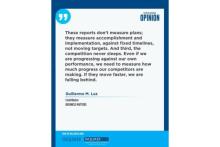
This gap between strong laws and weak execution is the country’s central competitiveness problem. Businesses are not discouraged by regulation per se, but by delays, duplication, and unpredictability.

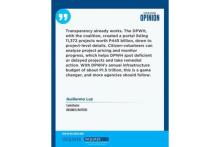
This confirms what the business community has long observed. The Philippines does not lack laws or policies. It lacks consistent, effective implementation. When the NCC ran Project Repeal, we actively worked to simplify and remove redundant rules, streamline procedures, and reduce compliance costs, including contributing to major reforms such as the amendment of the Corporation Code.

That effort has since stalled. The B-Ready report provides strong evidence that it is time to revive Project Repeal, further streamline government processes, and seriously reduce red tape. Without real improvements in efficiency, gains on paper will not translate into meaningful progress for entrepreneurs, investors, and job creators.


GUILLERMO M. LUZ
Chairman, Liveable Cities Philippines  
Former co-chair of the National Competitiveness Council

 

Liveable Cities Philippines and Ayala group outline new road map for climate resilience

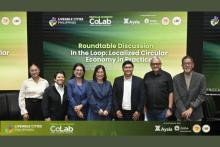
Liveable Cities Philippines, in partnership with Delivery Associates, a global consultancy that works with governments and mission-driven organizations to move from vision to outcome, recently gathered leaders from government, business and civil society for a focused discussion on how cities can move from planning to consistent, measurable delivery of essential services.

Published on January 13, 2026

Liveable Cities Philippines, in partnership with Delivery Associates, a global consultancy that works with governments and mission-driven organizations to move from vision to outcome, recently gathered leaders from government, business and civil society for a focused discussion on how cities can move from planning to consistent, measurable delivery of essential services.

“Cities face stronger risks every year, but the solutions are within reach. What matters is execution. When cities strengthen their delivery systems, people feel the results in safer communities and more dependable services,” Guillermo M. Luz, Chair of Liveable Cities Philippines, says in the forum.

“Strong plans are essential, but resilience depends on what happens next. With clear priorities, good data, and the right partners, cities can move from managing crises to building systems that help communities recover faster and thrive over time,” says Laurel Blatchford, Senior Fellow at Delivery Associates via Zoom from Washington.

She shared practical ways that cities around the world turn plans into real results. This includes being a prop active,  spotting problems early, being clear about who is doing what, and checking in regularly to stay on track. Blatchford adds these simple habits help leaders focus on what truly matters for their communities and build systems that keep working even as circumstances or leadership change.

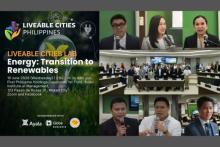
In a powerful display of corporate synergy, Ayala conglomerate subsidiaries ACEN Corp. and Globe Telecom have outlined a comprehensive roadmap for climate action and disaster resilience. The strategy, presented by senior leadership, focuses on a dual-track approach: aggressively transitioning to renewable energy to mitigate climate change while “hardening” critical infrastructure to survive the Philippines’ increasingly volatile weather patterns.

Miguel Fernandez, senior vice president and head of operations at ACEN (formerly AC Energy), says it is now a leader in the renewable space, driven by the philosophy that clean energy is the first line of defense against climate disasters. “The transition to renewable energy is instrumental in preventing these disasters in the first place,” Fernandez stated. He revealed ACEN’s ambitious goal to reach 20 gigawatts (GW) of renewable capacity within the next 5 to 10 years.

To manage the operational risks of this transition, ACEN has implemented a sophisticated three-tiered incident management system:

• Level 1-3 Response: A scalable framework designed to address everything from minor technical glitches to full-scale national emergencies.
• Rotating Rosters: Ensuring the incident management team is always fresh and ready for immediate deployment.
• Community Integration: Close collaboration with local government units (LGUs) to ensure energy security during calamities.

Fernandez drew on the company’s experience during Typhoon Odette, noting that ACEN utilized helicopters to bypass destroyed roads to deliver essential supplies and financial aid to devastated communities.

Building ‘hardened’ networks for the future

Parallel to ACEN’s energy shift, Globe Telecom is focusing on “physical hardening” and decentralized power. As the first Philippine publicly listed company with approved net-zero targets, Globe is reimagining how a telecom network survives a super typhoon.

“During a massive typhoon, the grid is often the first thing to fail,” says Jayme Maniti, senior manager, head of operational management risk management, Globe Telecom explains. To combat this, she says Globe is shifting toward decentralized power sources like solar, making cell sites less dependent on the vulnerable national grid.

Key pillars of Globe’s resilience strategy include:

• Extreme Tower Engineering: Redesigning and retrofitting towers to withstand wind speeds of up to 340 kph, significantly exceeding current industry standards.​
• Strategic Foresight: A three-step process involving deep scenario analysis, community impact assessment, and mitigation.
• Emergency Communication: Partnering with the NDRRMC to deploy geo-targeted SMS warnings and cell broadcasts to save lives in real-time.

A Call for radical collaboration

The presentation concluded with a call for stronger public-private partnerships. Beyond infrastructure, the Ayala Group is looking toward social impact, including potential collaborations with the Department of Education (DepEd) to pilot micro-solar power models in “last-mile” or off-grid schools.

“Our call to action today is simple,” the presentation noted. “Let us formalize and strengthen the mechanism for collaboration. With Globe [and ACEN], let’s go forward together.”

Luz says Liveable Cities Philippines emphasizes the importance of partnerships that bring national agencies, city governments, schools and private utilities together. Stronger collaboration, better data sharing and clearer processes allow cities to respond faster, avoid delays and keep essential services running during crises, according to Luz.

YearEnd Recap 2025

We’ve come to a close of another busy year at Liveable Cities and we’d like to thank the Mayors and followers we’ve engaged with throughout the year. In the last 12 months, we’ve been able to run our Liveable Cities Labs covering major topics of interest in urban management, joined the Bloomberg Global Mayors Challenge, and co-organized World GIS Day.

Published on December 21, 2025

We’ve come to a close of another busy year at Liveable Cities and we’d like to thank the Mayors and followers we’ve engaged with throughout the year. In the last 12 months, we’ve been able to run our Liveable Cities Labs covering major topics of interest in urban management, joined the Bloomberg Global Mayors Challenge, and co-organized World GIS Day.

For the Bloomberg Global Mayors Challenge, we are particularly proud that three Philippine cities – Cauayan (Isabela), Naga, and Pasig – have made it to the Top 50 in the world out of over 600 entries and are in the final stages of evaluation for the Top 25 city projects in the world.

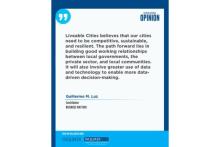
We are also particularly proud to launch Bayan e-Hub. This is our geospatial data hub covering data from 150 Philippine cities across key topics like Energy, Water, Connectivity, Education, Health, and others. We hope this makes decisions more data-driven for City Mayors, Investors, and Residents.

Throughout the year, our theme “Sustain+Ability” shaped our work. It reminded us that long-term sustainability must be matched with the ability to act every day with focus, discipline, and integrity. Across all the Labs, no matter the topic, the same core idea came through. Cities move forward when they build capability.

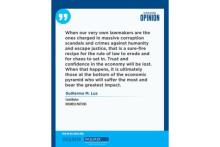
In our conversations with mayors and city teams, one truth became clear. The biggest barriers are often not technical. They are institutional. Most cities already know what they want to achieve. They have plans, programs, and policy directions. The real challenge is carrying these plans through a system that is often slow, fragmented, or vulnerable to politics and corruption. When the system is weak, even good ideas cannot survive. Resources leak, projects stall, and public trust suffers.

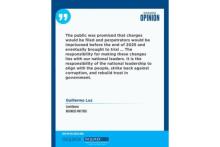
What stood out this year was that corruption and inefficiency had clearly gotten out of hand.  They had grown in environments where processes are unclear, data is lacking, and accountability is inconsistent. There is now a deeper understanding that good governance is the foundation of real sustainability.

Cities also shifted their questions. Instead of asking only for new concepts, they asked for ways to implement better. They wanted practical routines that keep teams aligned, tools that help them track progress, and clearer systems that let people know who is responsible for what.  Delivery is not a one-time push. It is a steady habit that strengthens institutions over time.

Partners from the private sector and development organizations echoed this. They noted that their support becomes more effective when local governments have reliable systems. Data tools, training, and technical assistance all work better when the city has the capacity to absorb and apply them. Sustain+Ability therefore became a shared responsibility between cities and partners. Each one strengthened the other.

A valuable insight from this year was the power of simple routines. Short feedback cycles. Clear public targets. Transparent metrics. What gets measured, gets managed. These are not complex reforms, yet they change behavior. They reduce room for arbitrary decisions. They narrow the space for corruption by reducing ambiguity. Cities that adopt these methods will see how small, consistent adjustments can produce meaningful outcomes.

Another important lesson is the value of the community we have built. After six years of holding Labs, city leaders now speak a common language. They compare experiences, test ideas, and discuss both successes and failures. They are more open to asking questions and learning from one another. This peer exchange is now one of the strongest assets of Liveable Cities Philippines. Capability grows faster when learning is shared.

As we look ahead, Sustain+Ability gives us a clear direction. Sustainability cannot depend on ambition alone. It must rest on institutions that are reliable, transparent and able to deliver. It must be supported by leaders who value performance and integrity. And it must be anchored in systems that protect public resources and maintain momentum even when leadership changes.

We move into the coming year with a deeper appreciation of what cities can achieve when vision meets capability. Our goal is to continue strengthening the systems that help leaders deliver results, help partners support them more effectively, and help communities experience real improvements in the quality of daily life.

This is how we build cities that are truly liveable. Not through one-time breakthroughs, but through steady, credible progress built on sustainability and the ability to act.

The journey towards achieving liveability and true prosperity is a shared one, built on partnership, momentum, and practical action. We hope you can continue to join us in this endeavor. Together, let’s work together in creating more liveable cities and localities across the Philippines.


GUILLERMO M. LUZ
Chairman, Liveable Cities Philippines

From Plans to Outcomes: Building Resilient Cities in the Philippines

From Plans to Outcomes: Building Resilient Cities in the Philippines

Delivery Associates
2025

Last week, in partnership with Liveable Cities Philippines, we brought together hundreds of leaders across national and local government, philanthropy, private sector partners, and community organizations for a critical discussion: How can the Philippines move from plans to outcomes and build truly resilient cities?

Published on December 11, 2025

From Plans to Outcomes: Building Resilient Cities in the Philippines

Delivery Associates
2025

Last week, in partnership with Liveable Cities Philippines, we brought together hundreds of leaders across national and local government, philanthropy, private sector partners, and community organizations for a critical discussion: How can the Philippines move from plans to outcomes and build truly resilient cities?

The event, From Plans to Outcomes: Delivering Resilient Cities, convened voices from across sectors including Globe Telecom, ACEN Renewables, the Philippines Department of Education, and representatives from frontline communities including Borongan City. Speakers from across these organizations, alongside contributions from our very own Laurel Blatchford, Anna Needs, and Josh Wiseman, shared lessons from years of working on disaster preparedness, climate resilience, and delivery both globally and in the Philippines.

Held against the backdrop of rising climate volatility and increasingly frequent natural disasters, the mood in the room was one of urgency matched by a spirit of collective resolve. The spirit behind the Liveable Cities Labs, which have become a genuine community of practice, shined through. Leaders didn’t just come to learn, but problem-solved together in real time. The message that echoed was clear: the Philippines does not lack commitment, ideas, or ambition. What cities need now is the ability to implement reliably, collaboratively, and at scale.

Five Central Insights We Heard, and Why It Matters

1. Preparation and Planning Remain Essential

One universal truth was voiced throughout the event: you cannot control the crisis, but you can control how prepared you are for it.

Cities across the Philippines face risks from typhoons, earthquakes, flooding, and sea level rise. Yet even the most sophisticated hazard mapping is only as strong as the local plans, infrastructure, and coordination behind it.

We heard repeatedly that communities learn best from one another. As Laurel Blatchford noted, the most transformative resilience efforts are often built through peer-to-peer exchange—communities sharing what failed, what succeeded, and what they needed someone to tell them sooner.

Peer-to-peer learning – what worked, what didn’t, and what others should know sooner – is proving to be a powerful driver of resilience. Preparation is not an individual act. It is a collective practice.

2. Resilience Isn’t Only About the Crisis Response

In the Philippines, disaster response is a reality leaders live with constantly. But true resilience is not defined by the crisis. It is defined by how quickly and effectively systems can return to normal afterward. Across examples shared from New York City to work by the American Flood Coalition in Louisiana and Texas, one theme stood out: resilience requires strong institutions capable of continuing essential services such as schools, food systems, and transportation even under strain.

This means building internal government capacity, not just emergency protocols. It means improving coordination before the disaster hits, not after. And most importantly, it means creating structures that bring together agencies, local governments, and communities around shared risks and shared solutions.

In Borongan, leaders are leveraging innovative services to strengthen coordination before, during, and after disasters, helping reduce disruption and accelerate recovery.

3. Good Plans Focus on Outcomes, Not Just Programs

Having a plan is not the same as having a plan that delivers. We’ve seen this globally across our work.

After major shocks, governments often produce recovery strategies or long lists of projects, but without the capacity and routines to implement them, those plans risk gathering dust.

Experiences from Hurricane Sandy to the implementation of the Inflation Reduction Act showed that success depends on a dedicated delivery mechanism: a delivery unit, a dedicated team, or a system that drives coordination, sets priorities, and tracks progress over time with a focus on long term results.

For cities in the Philippines, these lessons resonate. Cities need not just good intentions, but delivery plans built around clear outcomes, supported by the right people, tools, and processes.

4. Partnering for Outcomes Is No Longer Optional

Throughout the event, one message kept resurfacing: no single institution can deliver resilience alone. Especially as climate financing gaps widen, we need to think differently about who’s involved in delivering outcomes.

Against this backdrop, three kinds of partnerships emerged as essential:

Philanthropy as a Catalyzer

In cities across the Philippines, philanthropic organizations have supported local governments to test new approaches in areas such as food systems, public health monitoring, and community-based planning—demonstrating how targeted support can accelerate practical, city-led solutions.

Financial Markets as Enablers
Cities cannot rely on public budgets alone. Tools such as catastrophe bonds, including emerging models that combine disaster response and adaptation financing, are beginning to reshape how governments prepare for climate shocks.

Civil Society and NGOs as Connectors
From Puerto Rico to the Philippines, NGOs play a vital role in supporting communities to rebuild in ways that are more equitable, sustainable, and resilient. They bring technical expertise, local trust, and the ability to connect community needs with government action, ensuring that recovery and resilience efforts reach those most affected.

Partnerships are not an accessory to resilience. They are its backbone.

5. Leadership for Resilience Must Outlast Any Crisis

Perhaps most importantly, resilience demands leadership willing to think beyond electoral cycles. Around the world, long-term sustainability and recovery efforts have shown that plans endure not because they are perfect, but because they are clear, compelling, and supported by clear ownership.

Across Philippine cities, there is a significant opportunity to strengthen this kind of long-term leadership to deliver for communities long after the immediate crisis has passed. The momentum and interest shown at the event highlighted just how much potential there is to deepen this approach.

We remain focused on supporting this opportunity: helping governments translate ambition into practical steps, strengthening the routines and capacity needed to deliver results, and ensuring that plans lead to real improvements for communities.


So Where Do We Go From Here?

The day closed with four practical reminders for any city serious about resilience:

  1. Start with the outcomes that matter most. Let results, not just activities, drive coordination.
  2. Engage the right partners early. Resilience is a whole of society endeavour.
  3. Anchor in data and practice routines. Reliable delivery comes from grounding decisions in data and making habits that stick.
  4. Build continuous learning into the system. Don’t wait for the next crisis to expose what needs fixing.

We left the event energized by what we saw: the Philippines begins from a position of strength, grounded in leadership, collaboration, and shared purpose.

What will matter now is not just the quality of plans, but the consistency of delivery. Sustained progress will depend on how effectively cities, partners, and communities work together to turn ambition into meaningful outcomes for the people they serve.

From risk to readiness

Disasters are becoming more frequent, complex, and costly. According to the United Nations Office for Disaster Risk Reduction’s (UNDRR) Global Assessment Report 2025, direct global disaster losses reached $202 billion in 2023, while indirect and cascading effects pushed the true annual cost to $2.3 trillion, highlighting that the full economic toll of disasters extends well beyond immediate physical damage.

Published on October 23, 2025

Disasters are becoming more frequent, complex, and costly. According to the United Nations Office for Disaster Risk Reduction’s (UNDRR) Global Assessment Report 2025, direct global disaster losses reached $202 billion in 2023, while indirect and cascading effects pushed the true annual cost to $2.3 trillion, highlighting that the full economic toll of disasters extends well beyond immediate physical damage.

Agriculture and property remain among the most vulnerable sectors. Food and Agriculture Organization’s global study has shown that historically, around 84 percent of drought-related economic losses are absorbed by the agriculture sector, a pattern that continues to underscore its extreme vulnerability today. Floods and storms cause widespread destruction to homes, infrastructure, and critical services. The consequences of these shocks extend across entire economies, weakening food security, disrupting supply chains, and eroding development gains that have taken decades to build.

In the Philippines, our agricultural sector suffered an estimated P57.8 billion in losses in 2024, primarily due to El Niño. We also incurred damage to infrastructure in the amount of P43 billion.

This year’s World Risk Index report highlights that disasters result from a combination of natural events or exposure and social vulnerability or lack of preparedness, aggravated by poverty and weak structures. The report focused on flood risk, a significant issue facing the Philippines in light of the current flood control scandal. Globally, floods are becoming more of a risk, exacerbated by climate change and human changes to natural land use and topography.

Recently, the Apec Business Advisory Council, together with the Philippine Disaster Resilience Foundation (PDRF) and Liveable Cities, organized an online forum on disaster risk resilience, bringing together panelists from Chile, Taiwan, Indonesia, Turkey, and the Philippines to share lessons and practices on disaster preparedness.

Losses are not inevitable. The UNDRR has found that every $1 invested in disaster risk reduction can generate savings of up to $15 in response and recovery. Strengthening preparedness through early warning systems, climate-resilient infrastructure, and risk-informed planning has proven to significantly reduce both human and economic costs.

The savings in loss and damage are perhaps best illustrated by the experience of Taiwan. The 7.3-magnitude Jiji earthquake in 1999 killed over 2,400 people, injured 11,305, and destroyed or damaged 100,000 buildings. The following year, the government passed the Disaster Prevention and Protection Act, designated an annual National Disaster Prevention Day, and undertook a series of preventive and preparedness improvements. These included strengthening building codes and infrastructure resilience, retrofitting buildings, installing early warning systems and improving public preparedness, enhancing disaster management and response, strengthening community and international support, promoting continuous learning, and fostering public-private partnerships. Preparation paid off. When another 7.2-magnitude earthquake struck the same area in 2024, casualties were reduced to 18, injuries to 1,115 people, while severe damage was limited to 84 buildings.

Our online forum yielded 10 insights:
1. Disaster resilience is both a humanitarian and economic imperative. Preparedness saves lives and protects development gains.

2. Policy and practice must go together to address vulnerability. Policy alone will not solve the problem.

3. Preparedness pays dividends, as Taiwan’s experience above has shown.

4. Regional coordination multiplies the effectiveness of domestic response and systems, as in the case of Asean Coordinating Centre for Humanitarian Assistance on Disaster Management and the Pacific Alliance in Central America.

5. Financial innovation is central to closing the resilience funding gap, as demonstrated by the Pacific Alliance’s and the Philippines’ respective catastrophe bonds.

6. Private sector engagement is critical in building resilience, as illustrated by PDRF and the UN’s Connecting Business initiative.

7. The corporate sector has been moving from “donors to doers,” getting more hands-on involved in preparedness and response, aside from being donors.

8. Capacity building and knowledge transfer underpin sustainable resilience. More hands-on training strengthened institutional response.

9. Community engagement and “last mile” communications were important. Key messages needed to be understood by both policymakers and the general public down to village and household levels.

10. Strong governance anchored resilience efforts. It ensured accountability, coherence, and political commitment to transform policy into tangible practice on the ground.

These insights will hopefully help shape regional approaches and recommendations to ensure we can withstand shocks, protect vulnerable sectors, and maintain progress toward resilient and sustainable growth.


GUILLERMO M. LUZ
Chairman, Liveable Cities Philippines

Leadership and Liveability

Through our program, we have run almost 60 Liveable Cities Labs, each focusing on different aspects of city management and urban planning. Throughout the years, we’ve covered topics like public health, education, mass transit and mobility, infrastructure, flood control, disaster resilience, waste recycling, and a host of other topics of relevance to city mayors, LGU officials, residents, and the private sector. These hybrid sessions have attracted a following of about 60 onsite participants and 150-200 online participants.

Published on August 21, 2025

Through our program, we have run almost 60 Liveable Cities Labs, each focusing on different aspects of city management and urban planning. Throughout the years, we’ve covered topics like public health, education, mass transit and mobility, infrastructure, flood control, disaster resilience, waste recycling, and a host of other topics of relevance to city mayors, LGU officials, residents, and the private sector. These hybrid sessions have attracted a following of about 60 onsite participants and 150-200 online participants.

One of the most interesting labs that we have held was focused on governance, held last July. We assembled a panel of four speakers, all focused on their personal and professional perspectives on governance.

Our first panelist was Vice Mayor Ferdie Estrella of Baliwag City, Bulacan. Baliwag City is a model of good governance and a data-driven approach in action. It is one of the top-performing LGUs in the Philippines, but it didn’t start that way. When it was a municipality many years ago, it ranked around 950th in the Cities and Municipalities Competitiveness Index. Using data as the foundation for remaking itself into a competitive city, Baliwag focused on constant improvements and inched its way up the index until it ranked second for two consecutive years. To do this, the LGU banked on a reliable team for the consolidation and analysis of CMCI data to prepare strategic plans and trailblazing programs.

Our second panelist was Pia Ranada, head of community at Rappler, who brought her perspective as a journalist. Her approach was to promote inclusive governance and active citizen participation, and to keep a focus on liveable cities. This is journalism focused on liveability—making it a top-of-mind, newsworthy issue (e.g., waste management, transportation, disaster response).

This approach works well with Rappler’s biggest audiences, Millennials and Gen Z. Rappler wants to be a convenor of voices—a platform where different sectors meet to discuss reform. It then submits its citizen feedback to national agencies like Malacañang or the Department of Transportation. By encouraging the sharing of daily life issues, Rappler is promoting a dialogue for reform rather than just passive consumption of information and news. Playing its media role, the coverage of ordinances helps spread the word and gather public feedback.

Trust plays a key role in this equation. It enables participation while good governance drives liveability. Technology bridges gaps in governance and builds a strong digital foundation. The key outcomes of Tech in Trust are greater transparency, higher responsiveness rates, and stronger engagement with customers. To achieve this, Globe will build on three digital governance pillars: connectivity (the backbone of all digital efforts), agile and scalable cloud solutions, and cybersecurity to protect data and build public trust.

This is technology in governance in action. 

Our third panelist was Dr. Jesus Estanislao, founder of the Institute for Solidarity Asia. He spoke of governance from a societal, cultural, and moral perspective. He emphasized that governance should be a culture, going beyond one-time transformation and becoming institutionalized and sustained. According to Estanislao, all good governance starts with values, and he emphasized four core national values: MakaDiyos (Godly), makatao (humane), makalikasan (environmentally conscious), and makabansa (nationalistic). These values must be cascaded through your family and staff. For instance, at city halls, they must reflect the values they promote: cleanliness, functionality, citizen dignity, courtesy, professionalism, quality service, teamwork and solidarity, and a shared responsibility for transformation.

This is governance that delivers, and it’s based on values and culture. These principles apply to both local and national governments.

Our fourth and final panelist was Mayor Benjamin Magalong of Baguio City. His challenge is that he has to govern an overpopulated city, facing uneven and unsustainable growth. Baguio’s success was masking deeper issues such as declining liveability and strained infrastructure.

His solution was to create a vision for Baguio by the year 2043 to make it a liveable, inclusive, and creative city. He invited city officials, barangays, civil society, and citizens to join in open consultations and digital participation in crafting the vision. More than a plan, he made it a shared commitment. The transformation is also data driven. Magalong is one of a few mayors who use artificial intelligence and data analytics to research and study his city. He has developed a “digital twin” of Baguio and installed community monitoring systems and a Liveability Index to guide planning.

This is consultation for governance in action.

So there you have it, governance in four perspectives. Leadership and liveability.


GUILLERMO M. LUZ
Chairman, Liveable Cities Philippines

Data and the City

Cities are basically the economic engines of national economies. Regardless of whether you are   looking at developed or emerging countries, cities typically outperform their own host countries in terms of GDP, productivity, innovation, and creativity. Their growth outpaces the country they belong to. That should not really be so surprising since cities are the hubs of opportunity, innovation, and community.

Published on March 20, 2025

Cities are basically the economic engines of national economies. Regardless of whether you are   looking at developed or emerging countries, cities typically outperform their own host countries in terms of GDP, productivity, innovation, and creativity. Their growth outpaces the country they belong to. That should not really be so surprising since cities are the hubs of opportunity, innovation, and community. They concentrate a large population in a relatively small space, which can create economies of scale and efficiency. When well planned, power and energy, communications, water, transportation, healthcare, education, and other basic services can be delivered efficiently and affordably. Density can be good, when well managed.

Cities also face complex challenges. Congestion, waste management, crime, poverty, poor housing, and traffic come to mind as among the problems which the modern metropolis faces. When poorly managed, urban density can become a living hell. Facing these complex challenges demand bold, forward-thinking, and creative solutions.

The management and solution to these challenges begins and ends with Data. Often overlooked, data is far more than numbers or statistics—it is the foundation of analysis and informed decision-making, the catalyst for innovation, and the key to unlocking the full potential of our cities. In an era of rapid urbanization and technological advancement, data has become a critical driver of progress. For Philippine cities, harnessing data effectively is essential to
boosting competitiveness, improving public services, and fostering sustainable growth. It allows us to identify challenges, optimize resources, and implement evidence-based solutions that deliver lasting impact.

  
Under our Liveable Cities project, we explore how cities can leverage data to unlock their potential. We examine initiatives that use data as a benchmarking tool, highlight its role in guiding decision-making, and showcase how it can help build a more competitive, sustainable, and liveable Philippines. We recently conducted a Liveable Cities Lab focused on Data and the City as part of this year’s theme “Sustain+Ability: Enabling Cities of the Future," which underscores our commitment to sustainability and equipping cities with the tools, knowledge, and partnerships needed to drive transformative change.

Why is it important to look at Cities? The country has almost 150 cities, which account for about 40 percent of the total population. On top of that, there are around 1,500 municipalities or towns which are classified as first or second-class, third or fourth-class, and fifth and sixth-class municipalities depending on their population and income. All told, the Philippines is over 50 percent urbanized. These cities and municipalities are scattered around the 7,000-plus islands across the country and collectively constitute the economic engines of the provinces and regions.

Once upon a time, it was difficult to collect and analyze data about our cities and municipalities. Mayors had no way of comparing their cities against other cities while entrepreneurs had difficulty making decisions where to locate their businesses. All that changed in 2012 when the then-National Competitiveness Council created the Cities and Municipalities Competitiveness Index or CMCI. This became a basic metric which city officials, businesses, and the academic community used to evaluate city and municipality performance.
CMCI started by measuring three basic performance indicators (Economy, Infrastructure, and Governance) and later added two indicators over the years (Resilience and Innovation). Starting with only 250 LGUs, CMCI now covers all 1,634 LGUs across the country. When it first started, LGUs could barely submit 50 percent of the required data. Today, they can submit up to 95 percent of the data requirement because they understand the value of Data to Mayors, Businessmen, and Academics. The data helps everybody assess the local competitiveness of our cities and municipalities.

Today, after running for over 12 years and collecting one of the most complete datasets for cities and municipalities, our Department of Trade and Industry wishes to discontinue the project for reasons still not clear to us. Discontinuing the CMCI cuts a fairly long time-series of data and runs the risk of ruining the practice of regular data collection and analysis which has already become a habit among LGUs. This is a practice which, I might add, requires constant improvement. It is important to continue, protect, and make this important database more transparent and accessible to the public and to city and municipal mayors. In the age of AI, we will need more clean and accurate datasets to use in models and algorithms which will be used to help analyze trends. CMCI’s cancellation in an age when data and data analytics is becoming more important is a step in the wrong direction.


GUILLERMO M. LUZ
Chairman, Liveable Cities Philippines
 

Urban Connect

We are pleased to announce that Liveable Cities Philippines will be joining the Urban Connect project. Urban Connect is a USAID project which focuses on urban development and management in nine cities across the Philippines: Batangas City, Iloilo, Tagbilaran (Bohol), Cagayan de Oro, Zamboanga City, General Santos City, Puerto Princesa, Legazpi City, and Tacloban.

Published on April 18, 2024

We are pleased to announce that Liveable Cities Philippines will be joining the Urban Connect project. Urban Connect is a USAID project which focuses on urban development and management in nine cities across the Philippines: Batangas City, Iloilo, Tagbilaran (Bohol), Cagayan de Oro, Zamboanga City, General Santos City, Puerto Princesa, Legazpi City, and Tacloban.

 The project’s goal is to promote inclusive and resilient growth by enhancing local development and improving public service delivery. While it appears targeted at nine cities, in reality we are looking at their surrounding localities since these cities are like small metropolises whose impact stretch beyond their respective city limits. They are, in effect, growth hubs for their region or island.

The first key result area we are targeting is to boost local economic development by improving the regulatory environment for private investment and enterprise growth. This will require strengthening local government coordination across departments and agencies as well as better connectivity.

The second key result area is to improve public service delivery by strengthening public financial management, advancing e-government solutions, and enhancing delivery of basic services such as in health and education.

The third key result area is to strengthen climate resilience and disaster preparedness and promote greater gender equality and social inclusion.

Over the next 15 months, Liveable Cities will team up with the Urban Connect team to conduct urban management workshops and to run LocalLabs in the nine cities.  The urban management workshops will basically assemble a group of government and private sector experts to work with city officials to focus on specific issues to address. Over the last several months, the Urban Connect team has travelled to all nine cities to scope out and list the priority issues which each city wanted to tackle. Liveable Cities, in turn, will work with experts from companies and organizations like Globe Telecom, Geodata, Public-Private Partnership Center, and other partners to take in-depth looks at each priority area.

The Liveable Cities team will also join hands with USAID, League of Cities of the Philippines, and Globe plus other partners to run its LocalLab series in each city. These Labs provide an opportunity for City Mayors and local chambers of commerce to trumpet what their city is all about and what investment opportunities lie ahead. It also provides us a chance to bring in technical experts  to propose how they might provide solutions to specific issues in each city. These Labs will be managed in a hybrid format, with up to 100 persons in the live audience and a larger number tuning in on Zoom or Facebook.

We have run over 40 of these Labs, mostly in Metro Manila and focused on such themes as Public Health, Education, E-Commerce, Mobility and Transportation, Disaster Resilience, Infrastructure, Electric Vehicles, Public-Private Partnerships, GovTech, Intelligent Cities, Satellite Imaging, and other topics. Each Lab featured a panel of speakers which included City Mayors and private sector experts.

Among all these Labs, we’ve run two LocalLabs – for Batangas province and for Iloilo City. We have found that these LocalLabs have generated a great deal of interest and delivered different perspectives from our regular Labs. Thus, we’ve been happy to team up with Urban Connect to run a program through these nine cities. We have firmed up schedules for the first two cities – Zamboanga City for May 8 and Tagbilaran, Bohol for June 5.  Other dates for cities will be announced all the way out to March 2025 as schedules are firmed up.

Let me close by highlighting an exciting development for cities and municipalities regardless of size. It’s a development which our Urban Connect cities should certainly look at.  Artificial Intelligence will be a gamechanger for urban managers and city mayors. This is, of course, predicated on the ability to consistently collect quality data about a city. We know of at least two cities – Baguio City and Cauayan (Isabela) – who have used AI to analyze their city’s problems and to design solutions. In the case of Cauayan, the project was started by its previous Mayor, Bernard Dy and continued by his successor Mayor Caesar “Jaycee” Dy, Jr. In Baguio, their project was started by current Mayor, Benjamin Magalong. Both cities have worked with the Asian Institute of Management’s graduate school of data science and AI, headed by Professor Chris Monterola.

Both Cauayan and Baguio have already reaped some rewards from their early foray into AI. I woudld be surprised if more cities don’t jump into this opportunity in the next year.
 

GUILLERMO M. LUZ
Chairman, Liveable Cities Philippines
Chief Resilience Officer, Philippine Disaster Resilience Foundation

What makes a city liveable?

What makes a city “liveable”? This is a question we’re often asked at the Liveable Cities project we run. Liveability can be a subjective matter for some – what you like about a particular city, for instance. However, there are actually some common standards which people use to evaluate whether a city is “liveable”.

Published on July 18, 2024

What makes a city “liveable”? This is a question we’re often asked at the Liveable Cities project we run. Liveability can be a subjective matter for some – what you like about a particular city, for instance. However, there are actually some common standards which people use to evaluate whether a city is “liveable”.

Two reports came out recently on city rankings on a global scale. The first was the Oxford Global Economics Global Cities Index 2024 and the second is the 2024 Global Liveability Index by the Economist Intelligence Unit (EIU), a sister organization to The Economist magazine. Both measure cities in a slightly different way but are instructive in what it tells us about what features or characteristics matter in cities.

We share the same view as what Oxford Economics and other organizations think about cities. “Cities are the driving force behind our global economy. They are the engines for national economic growth, centres for education and innovation, and seats of government power,” according to Oxford Economics.

Their report tracks the Top 1,000 cities in the world in terms of economics, human capital, quality of life, environment, and governance. These five categories measure the attractiveness of cities to residents and investors. These 1,000 cities represent 30 percent of the world’s population but 60 percent of global GDP. Interestingly, 70 percent of these cities outperformed their own countries in GDP and employment growth in the decade before COVID-19 struck. This trend was consistent across countries regardless of their income levels. Cities in rich and poor countries tended to outperform their own countries. Not surprisingly, they also had more educated populations and better access to basic services.

East Asia led the way with most cities in the Top 1,000 with 207, followed by Western Europe (141), South Asia (137), North America and Eastern Europe and Central Asia (107 each), South America (63), Middle East and North Africa (62), Central America and the Caribbean (46), and Oceania (12). The Philippines had 9 on the list.

The Top 10 on the list were New York (1), London (2), San Jose, California (3), Tokyo (4), Paris (5), Seattle (6), Los Angeles (7), San Francisco (8), Melbourne (9), and Zurich (10).

The nine cities for the Philippines were Manila (256), Cebu (436), Cagayan de Oro (487), Davao (500), Angeles (502), Bacolod (538), Dagupan (604), Zamboanga (695), and General Santos City (723). It’s not clear whether Manila referred to the city or to the entire Metro Manila.

The EIU’s world’s most liveable cities list for 2024 measures liveability in terms of such features as stability, healthcare, culture, environment, education, and infrastructure. Stability includes items like social unrest, crime and gun control laws, and conflict. Infrastructure includes measures on housing availability and prices. Basically, EIU’s index is a measurement of how comfortable it is to live in a city.

For the third consecutive year, Vienna has topped the list, followed by Copenhagen (2), Zurich (3), Melbourne (4), Calgary and Geneva (tied for 5th), Sydney and Vancouver (tied for 7th), and Osaka and Auckland (tied for 9th). Notably, London ranked 45th (versus 2nd on Oxford’s list, Los Angeles was 58th (7th on Oxford’s list), and New York came in at 70th (1st on Oxford’s list). A total of 173 cities appeared on the list. Metro Manila ranked 136th in the 2023 report.

For the Philippines, we can look at the Ambisyon Natin 2040 vision to give us some hints at what Filipinos might be looking for in cities – in fact, across our entire society in general and not limiting the wants to cities. Ambisyon was a 25-year aspirational plan launched in 2015 and designed to span four administrations for continuity in national planning. Among other things, it surveyed 20,000 Filipinos from all walks of life across the country to ask them what their aspirations and ambitions were for themselves and the country.

Among the features which Filipinos wanted for the future were affordable housing; good basic infrastructure and connectivity; access to education, tourism, leisure, and culture; and access to affordable health and wellness services. They also wanted to be safe and out of danger from distress and disasters. These are common denominators with international liveable cities indices. Mayors who focus on providing these and other factors such as those found in the Oxford and EIU lists would be doing a great service for their own residents and make their cities more attractive for investors as well.


GUILLERMO M. LUZ
Chairman, Liveable Cities Philippines
Chief Resilience Officer, Philippine Disaster Resilience Foundation

Diagnosis

I recently had the opportunity to listen to a World Bank briefing on the “Philippines Systematic Country Diagnostic Update” during one of a series of consultative meetings done with various sectors. The main purpose of the report is to identify priorities for a country to most effectively and sustainably achieve its goal to end extreme poverty and boost shared prosperity on a liveable planet.

Published on February 15, 2024

I recently had the opportunity to listen to a World Bank briefing on the “Philippines Systematic Country Diagnostic Update” during one of a series of consultative meetings done with various sectors. The main purpose of the report is to identify priorities for a country to most effectively and sustainably achieve its goal to end extreme poverty and boost shared prosperity on a liveable planet.

For the decade 2010-2019, economic growth accelerated and became more inclusive, with poverty declining by 9.5 percent. Progress accelerated from 2015 to 2018 but the pandemic which hit in 2020 reversed some of those gains.

Inclusive growth and jobs. In this first thematic area, some of the challenges included a large infrastructure gap. In the 2023 edition of the Logistics Performance Index which measures the quality of a country’s infrastructure, the Philippines ranked 43rd out of 139 countries. We were behind Malaysia and Thailand, about the same as Vietnam, and ahead of Indonesia. We also had a big digital infrastructure gap and high electricity costs (double that of Indonesia and more than a third higher than Thailand’s).

We had low productivity and incomes in the agricultural sector, primarily due to fragmentation, lack of diversification and innovation, low mechanization, and weak infrastructure and supply chain linkages. Climate change and natural disasters coupled with uneven access to insurance and credit also hobbled this sector.

Lack of firms’ growth was a challenge for expansion of higher quality jobs. This was due to limited competition and lack of innovation. New technologies and artificial intelligence bring both promise and risks to these sectors.

Building human capital. In this second thematic area, the challenges are truly daunting. Certain aspects constrain income, productivity, and the job market. Low educational attainment and low learning outcomes are obvious barriers to entry to higher paying jobs. Moreover, the prevalence of malnutrition contributes to low learning outcomes. As of 2020, it was estimated that children could only expect to hit 52 percent of their potential productivity by age 18 because of low learning and health outcomes.

Low learning outcomes are the product of low quality education as well as the inability to complete school. About 37 percent of the workforce aged 25 and older have not completed high school and only 20 percent completed college.

Malnutrition is a major problem. As of 2021, about 28.8 percent of children below 5 years of age were stunted, one of the highest rates globally. Malnutrition, as everyone knows, has direct impact on learning outcomes.

Climate change and building resilience. Climate change is expected to have a significant impact on the country. Among its expected effects are reduced GDP, lower agricultural productivity (an estimated 9 percent to 21 percent drop by 2050), increased hunger (up 8 percent by 2030 and 13 percent by 2050), and overall erosion of our natural capital. Our defenses are not as prepared as they should be: from agricultural and food systems to cities and infrastructure (including power, water and sanitation, connectivity and telecommunications), biodiversity and ecological loss, and disaster risk financing and insurance, for instance.

Cross-cutting challenges. Cutting across these themes are three sets of challenges. The first has to do with local government service delivery. A combination of low local revenue generation, spotty intergovernmental fiscal transfers, overlapping service delivery responsibilities which lead to low accountability, and weak or uneven local capacities contribute to low execution.
The second challenge lies at the national government level. Inefficient public procurement, overlapping responsibilities among agencies, limited civil service capacity, and inconsistent decision-making over time are just some of the problems besetting this sector. Transparency, accountability, corruption, and concentration of political power also serve as additional issues.
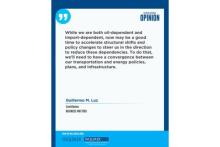
The third cross-cutting issue is digital transformation. Not to belabor the obvious but by any measure—access, speed, and cost for both fixed and mobile broadband—the Philippines is a laggard in Asean. We are among the lowest in access and speed and highest in cost. The access gap between rich and poor widens and the spread of digital transformation in e-commerce, trade, digital payments, financial services and banking, and use of technology by small businesses lags in the region.

Better implementation is the key. The list of opportunities to treat these challenges is long. Some require policy changes but in most, if not all cases, require good implementation over a sustained period of time. However, implementation is the one thing we have not been able to do consistently well as a nation. What are we getting wrong and what can we do to fix these national challenges? The answer, I believe, lies in developing a new strategy for problem-solving and implementation. Today’s problems have grown far too large and critical for any single institution to solve. Given the Philippine context, we will need to devise better ways of harnessing public and private resources and skills to combat these problems.


GUILLERMO M. LUZ
Chairman, Liveable Cities Philippines
Chief Resilience Officer, Philippine Disaster Resilience Foundation

Watch Our Liveable Cities Labs

Watch Now